3 Reasons Why You Should Not Keep Eggs in the Refrigerator
Many people store eggs in the refrigerator by habit, but food experts note that keeping eggs in the refrigerator is not always necessary.
In some situations, storing eggs at room temperature can support quality, flavor, and practical use when handled correctly.
1. “Sweat” Factor: How Fridge Doors Silently Damage Egg Integrity
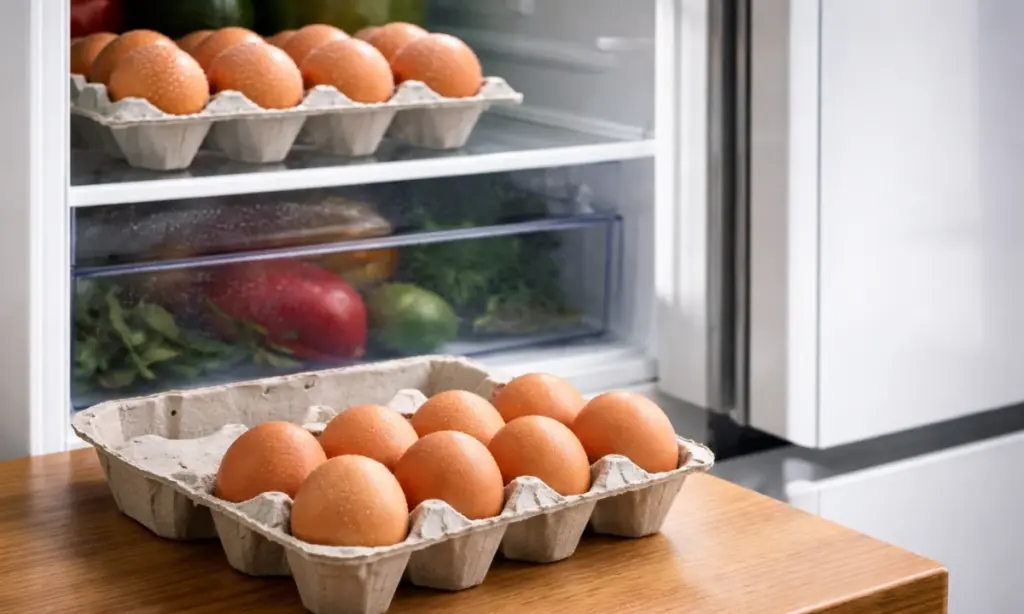
Keeping eggs in the refrigerator exposes them to frequent temperature changes. Each time the refrigerator door opens, eggs experience small shifts in temperature. These changes can affect the internal structure of eggs over time.
Egg shells are porous. When eggs in the refrigerator are moved in and out of cold storage, condensation can form on the shell surface. Moisture on the shell may increase the risk of bacteria moving through the shell if eggs are not handled carefully.
In regions where eggs are produced and sold without washing, eggs retain a natural protective coating. This coating helps block bacteria and slows moisture loss. Keeping eggs in the refrigerator is not required in these cases, as stable room temperatures help preserve this natural barrier.
2. Texture Secret: Why Professional Chefs Refuse to Use Cold Eggs

Eggs stored at room temperature often perform better in cooking and baking. Many recipes assume eggs are not cold, especially when emulsifying ingredients or creating smooth batters. Eggs in the refrigerator may require additional time to warm before use.
Cold eggs can affect texture. When eggs in the refrigerator are used directly in cooking, they may not blend as evenly with other ingredients. This can lead to uneven mixtures in sauces, cakes, or custards.
Flavor can also be influenced by storage conditions. Eggs kept at consistent room temperatures tend to maintain a more neutral taste. Refrigerated eggs can absorb odors from nearby foods, which may subtly alter their flavor during storage.
3. The Moisture Trap: Is Your Refrigerator Aging Your Food Faster?
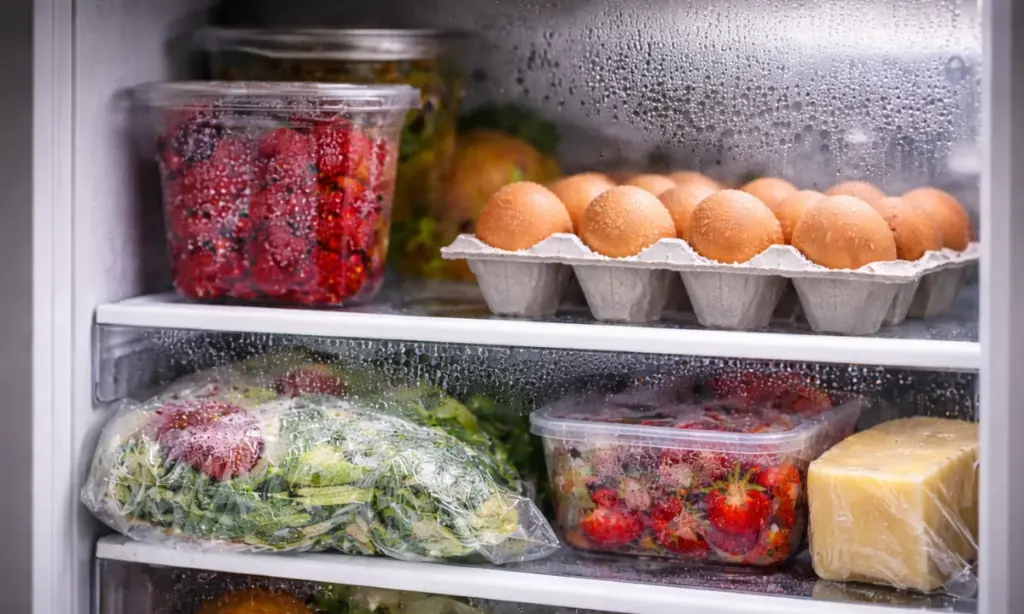
Eggs lose moisture over time through their shells. Refrigerated environments are typically dry, which can speed up this moisture loss. Eggs in the refrigerator may age faster internally, even though they remain safe to eat.
Room temperature storage allows eggs to retain moisture more evenly. This helps preserve egg whites and yolks in a balanced state. Proper moisture balance supports better appearance and texture during cooking.
Consistent conditions matter more than cold conditions. Eggs stored steadily at room temperature avoid repeated condensation cycles. This stability supports longer lasting quality when eggs are used within recommended time frames.
Why Storing Eggs on the Counter is Actually Illegal in Some Countries

In many countries, eggs are safely stored outside the refrigerator. This is because egg handling standards differ by region. In places where eggs are not washed before sale, the shell remains protected, making refrigeration less critical.
Keeping eggs in the refrigerator is mainly recommended in countries where eggs are washed and sanitized. Washing removes the natural coating, which makes refrigeration necessary to slow bacterial growth. Understanding how eggs are processed locally is essential for safe storage decisions.
Food safety guidelines often reflect regional production methods. Storing eggs at room temperature can be safe when eggs are fresh, unwashed, and kept in a clean, dry environment. In these cases, eggs in the refrigerator offer no clear advantage.
Practical Storage Considerations
Keeping eggs in the refrigerator takes up space and can lead to unnecessary handling. Each time eggs are moved, the risk of cracks increases. Cracked shells reduce protection and increase spoilage risk.
Room temperature storage allows eggs to remain ready for immediate use. This is especially useful in kitchens where eggs are used daily. Eggs in the refrigerator often need planning before use, which can be inconvenient.
Proper storage containers also matter. Eggs kept on the counter should be stored away from direct sunlight and strong odors. When handled properly, this method can be both practical and safe.
When You Must Chill and When You Can Chill Out
Choosing whether to store eggs in the refrigerator depends on how eggs are produced, handled, and used. There is no single rule that applies everywhere. Food safety authorities emphasize understanding local egg processing standards.
Keeping eggs in the refrigerator is a precaution, not a universal requirement. In suitable conditions, room temperature storage supports quality, usability, and traditional practices without increasing risk.
Understanding why some people choose not to keep eggs in the refrigerator helps consumers make informed decisions. With proper handling and awareness, eggs can be safely stored in ways that match both culinary needs and regional standards.